Biggest Threats on the Cyberspace #4: Identity Theft
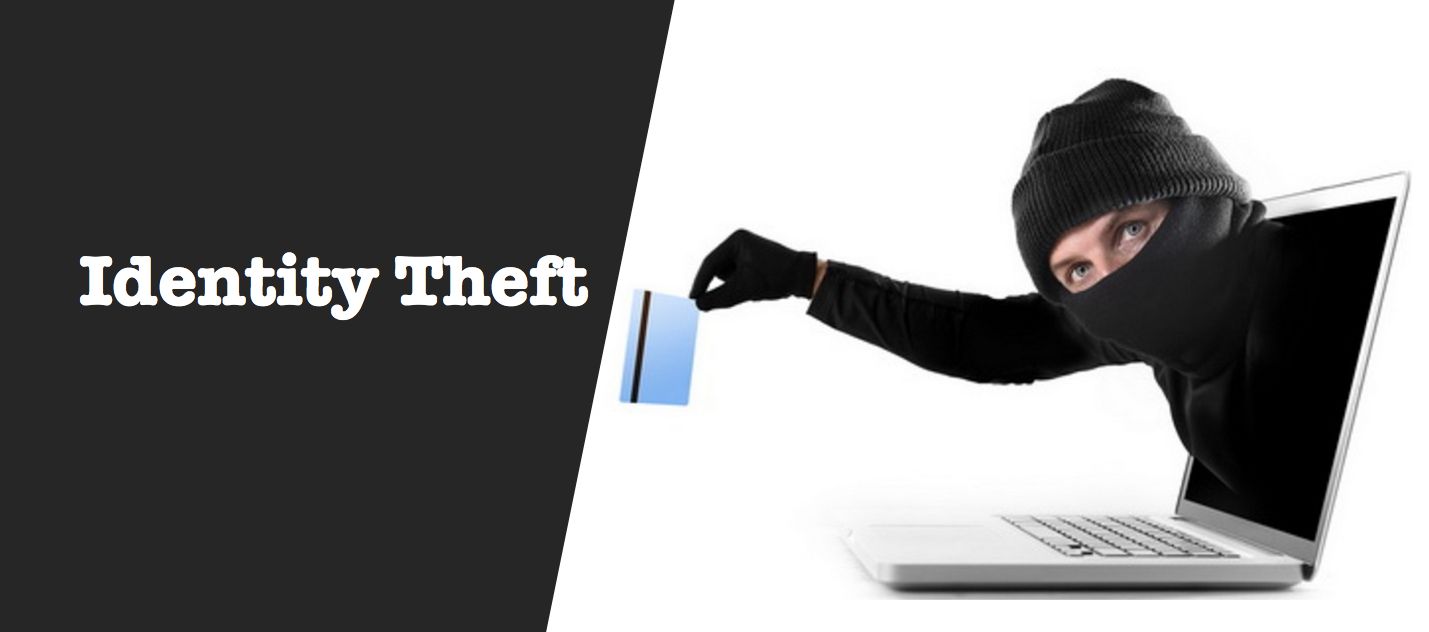
What is Identity Theft?
Identity theft occurs when criminals unlawfully gain access to someone's personal information and steal it for their own financial gain. Whether it's using somebody's Social Insurance Number (SIN) to open new accounts or illegally hacking into a bank account, all forms of identity theft can be serious and have different outcomes. It's not a new problem, but with so much of our personal information stored electronically these days, this cyber crime is happening more often, especially to children.
Data about the prevalence of kids' identity theft is limited, in part because kids don't become aware that their personal data has been stolen until they are old enough to apply for a driver's license or a credit card. More than 1 million kids had their identities stolen in 2017, according to a study conducted by Javelin Strategy and Research and sponsored by Identity Guard. The study also found that 66% of ID theft victims are under the age of 8—more than 10 years away from being able to sign a legal contract. These stats clearly show that this is a problem we all need to pay more attention to.
How can my kid's identity be stolen?
A kid's identity can be stolen when criminals create a process by which cybercriminals "combine a child's Social Insurance Number with a different date of birth," says Joe Mason, senior vice president of Identity Guard, the identity theft protection firm, and author of Bankrupt at Birth. Another survey found this to be the most common method of child identity theft. Using an actual SIN, the most crucial piece of every Canadian's identity, "confuses the credit issuers and they think it's a new person," says Robert P. Chappell Jr., the author of Child Identity Theft: What Every Parent Needs to Know.
Indeed, a kid’s identity can be compromised in the same way as an adult’s. A data breach is one way information can be exposed — at a school, medical office, or other entity with whom you’ve shared your child’s personal information. When that happens, the information can end up in the hands of criminals who can use it to steal identities. It will be worse if the stolen data includes Social Insurance Number. You can’t easily replace a Social Insurance Number, and that number is integral to one’s ability to obtain credit, so cybercriminal would be able to obtain credit in someone else’s name using identity theft.
Criminals have been known to steal the identity of children, especially because many parents or caregivers may not think to check their child’s credit history. Thieves may get away with stealing a minor’s identity for years because kids won’t typically access their credit history until they start taking steps toward establishing a financial record, such as applying for school loans, ID cards, or credit cards. To help protect their child’s identity, parents should request their child’s credit report each year. The bottom line: As a parent, you have to consider child identity theft and take it very seriously.

What are the signs of kids identity theft?
There are a few warning signs that your kid may be a victim of identity theft, including:
1. Your kid receives bills or pre-approved credit card offers.
2. Your kid is denied government benefits because someone else is using his/her Social Insurance number.
3. The Canada Revenue Agency sends your kid a delinquent tax notice.
4. The ICBC denies your kid a driver’s license.
How to protect my kid against identity theft?
One important step to protect your kid's identity is to screen what he/she shares, and remove identifying information such as geo tags from photos. Even if you are very careful, cybercriminals may still be able to access your kid's information and steal his/her identity through data breaches. With the recent Equifax data breach, over 145 million people now have the potential to become victims of identity theft.
In addition to a robust security suite such as antiviruses and firewalls, adding an extra layer of protection to your kid digital life by using an identity theft protection service could be very useful. Such services can help protect your kid's personal information by sending you alerts if suspicious activity is identified within their network, or if new accounts are opened with your kid's Social Insurance Number. The identity theft protection service, gives you the peace of mind to confidently let your kid does online activities. However, keeping your kid aware of all the threats that can compromise his/her identity is the first step towards a digitally safe life. Join Kid's Shield's program, and let your kid be educated, connected and stay safe while surfing online.
